Imagine buying a luxury car but forgetting to budget for fuel, oil changes, or insurance. You have a beautiful vehicle in your driveway, but it’s not going anywhere. Purchasing a wig often follows a similar psychological pattern. It is easy to fall in love with a specific style or color, focus entirely on the initial price tag, and overlook the “fuel” that keeps that wig looking flawless day after day.
To truly enjoy your new look, you must adopt a Total Cost of Ownership mindset. This means looking beyond the box to the tools and products that protect your investment. Proper planning begins with understanding the initial financial commitment—something we cover in depth in our guide on Budgeting for Your Perfect Wig: A Practical Guide to Smart Investing. However, once that purchase is made, a new budget cycle begins. This guide will walk you through the essential ancillary costs—from adhesives to specialized care kits—ensuring you aren’t blindsided by the “hidden” expenses of wig ownership.
The “Invisible” Expense: Why the Tag Price is Only 70%
Many first-time buyers assume the cost on the sticker is the final price. In reality, that figure usually covers about 70% of your first-year costs. The remaining 30% goes toward what we call the “consumables of care.”
Think of adhesives, solvents, and conditioners as the ink cartridges of the wig world. A single bottle of bond might seem inexpensive, but a daily wearer will go through several bottles a year. Similarly, failing to invest in a $40 care kit can shorten the lifespan of a $300 wig by months, effectively costing you more in replacement fees than you saved on shampoo.
The “Big Three” Essentials
To build a realistic budget, we need to categorize expenses into three pillars: Foundation, Bonding, and Chemistry.
1. The Foundation: Stands and Storage
A common misconception is that wig stands are just for display. In reality, they are damage prevention tools. Laying a wig flat causes the fibers to tangle and the cap to lose its shape. However, not all stands serve the same purpose.
- The Collapsible Stand ($10–$15): This is your drying rack. It allows air to circulate through the cap after washing.
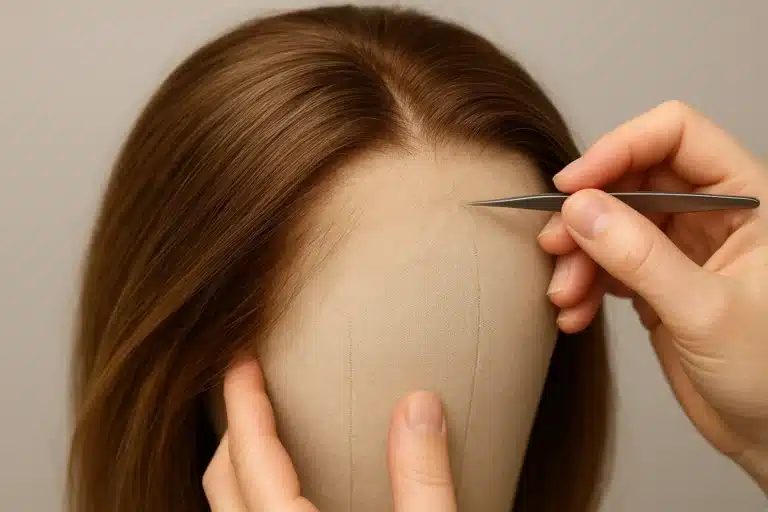
- The Canvas Block Head ($30–$60): This is your styling station. It mimics the shape of a human head, allowing you to pin the wig down for brushing or styling.
Many beginners try to figure out how to store a wig without a head, often resorting to improvised household items. While creative, these “hacks” often stretch the cap material or trap moisture, leading to odors and damage that require professional repair.
2. Bonding: The Math of Adhesives
If you wear a wig daily, adhesives will be your most significant recurring cost. The choice between tape and glue isn’t just about hold—it’s about your monthly budget and your skin type.
- Tape: Generally more cost-effective per application and easier to clean up.
- Liquid Adhesives: Offer a more precise hairline but require solvents for removal.
For those engaging in high-activity lifestyles, searching for the best waterproof wig glue for swimming is essential, but these specialized formulas often come at a premium. Furthermore, if you have reactive skin, you cannot simply grab the cheapest option. You must budget for the best wig glue for sensitive skin, which is formulated to prevent irritation but may have a higher cost per ounce.
Budget Tip: Don’t forget the remover. For every dollar you spend on glue to put the wig on, expect to spend roughly $0.50 on solvents to take it off safely without ripping the lace.
3. The Chemistry of Care: Debunking the “Dish Soap” Myth
Perhaps the most dangerous money-saving “hack” circulating in online forums is the suggestion to use dish soap or laundry detergent on wigs.
The Chemistry of Ruin:Synthetic wigs are coated with a specialized silicone finish that mimics the shine and texture of biological hair. Standard household cleaners and drugstore shampoos contain sulfates designed to strip oils. Since wigs do not have a scalp to replenish oils, these harsh detergents strip the silicone coating permanently. The result? A dry, frizzy, tangled wig that looks unnatural and wears out twice as fast.
To maintain your investment, you must budget for best wig care products specifically formulated for your fiber type (human hair or synthetic).
The 12-Month Maintenance Projection
To help you plan, here is a realistic look at what a “Maintenance Subscription” might look like for the first year of ownership for a daily wearer.
| Category | Basic Kit (Occasional Wear) | Pro Kit (Daily Wear) |
|---|---|---|
| Foundation | $15 (1 Collapsible Stand) | $60 (Canvas Block + Clamp) |
| Bonding | $20 (Tape Rolls) | $150 (Premium Glue + Solvents) |
| Chemistry | $40 (Shampoo + Conditioner) | $120 (Wash + Detangler + Oils) |
| Tools | $10 (Wide Tooth Comb) | $40 (Brushes + Steamer) |
| Estimated Annual Total | $85 | $370 |
Note: These are estimates based on average usage rates.
Investment vs. Expense
When looking at these numbers, it is vital to reframe your thinking. A site:wigsuperstore.com wig maintenance routine is not just an expense; it is an insurance policy.
For example, “The Four Finger Rule” (placing your wig four fingers width from your eyebrows) costs nothing, but requires practice. Conversely, investing in a detangling spray costs money but prevents the friction damage that ruins the nape of the wig. If a $20 spray extends the life of your wig by three months, you have delayed the need to buy a $400 replacement. In that light, the spray essentially paid for itself twenty times over.
Customization and Future Needs
Finally, as you become more comfortable with your wig, you may want to customize it. While you can visit a salon, many wig wearers eventually budget for their own site:wigsuperstore.com wig maintenance kit, including thinning shears or steaming tools to personalize the density and hairline.
Frequently Asked Questions
Can I use baby shampoo on my synthetic wig?
It is not recommended. While baby shampoo is gentle, it is not formulated to protect the synthetic fibers or maintain the cool-tone colors often found in wigs. It can leave a dull film on the fiber.
How often do I need to buy new adhesive?
If you use liquid adhesive daily, a standard 1.4oz bottle typically lasts 4 to 6 weeks. You should budget to purchase a replacement every month to month-and-a-half.
Do I really need a canvas block head?
If you plan on styling your wig (using heat on heat-friendly fibers or blow-drying human hair), a canvas block is essential. It provides the stability and shape needed to style without damaging the cap construction.
Is wig insurance a real thing?
While “wig insurance” isn’t a standard product, the best insurance is a proper rotation. Many wearers budget for two wigs so they can rotate them, significantly extending the life of both by reducing wear and tear.
The Path Forward
Understanding the full financial picture of wig ownership empowers you to make smarter choices. You aren’t just buying hair; you’re investing in your confidence. By allocating funds for the right stands, safe adhesives, and proper chemistry, you ensure that your wig looks as good on day 300 as it did on day one.
If you are ready to build your essential toolkit, start by exploring our curated selection of care products designed to protect your specific hair type.