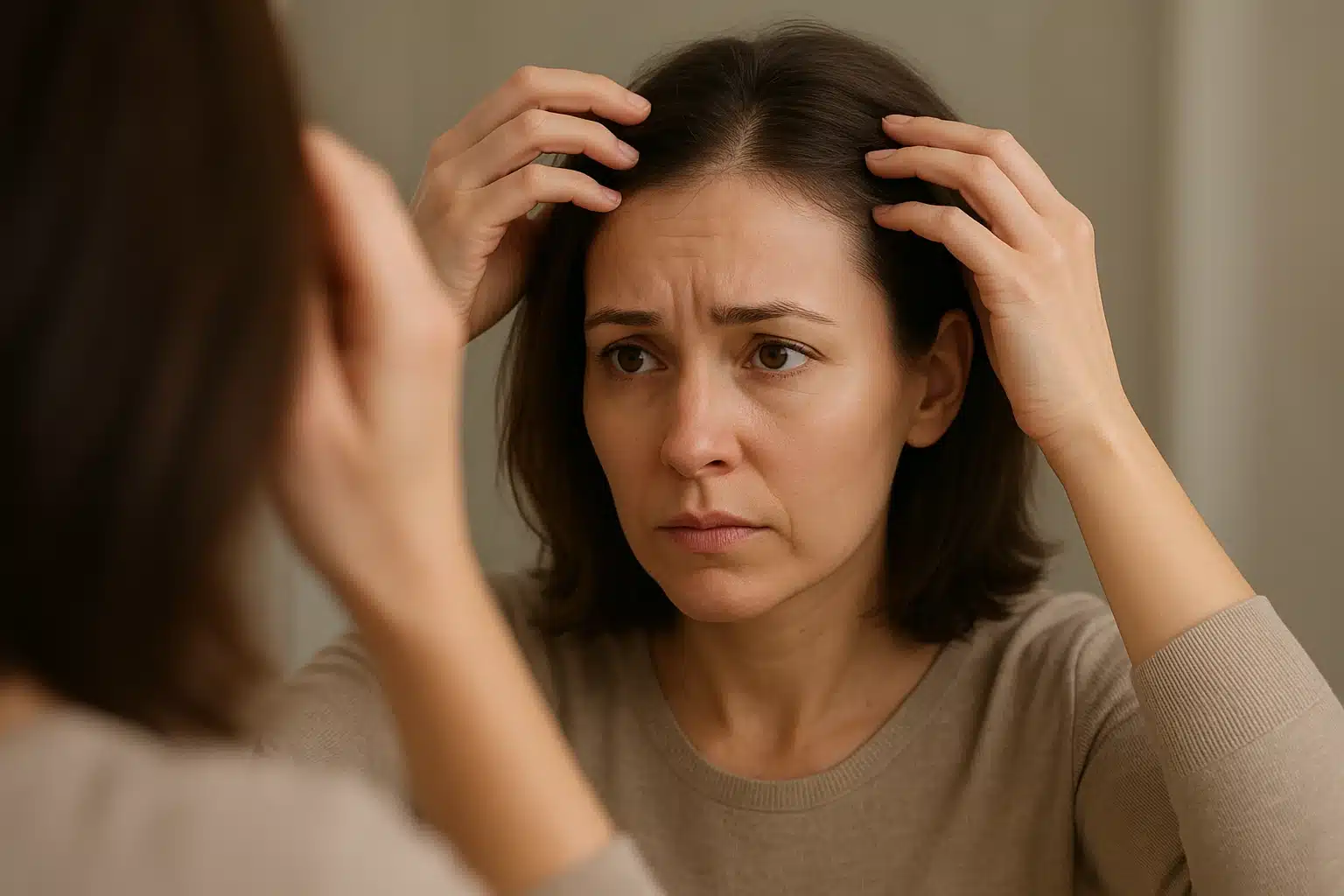
You are standing in front of the bathroom mirror under harsh overhead lighting. You gently pull your hair back, noting how much more scalp is visible near your temples. You wrap a hair tie around your ponytail and realize it loops an extra time. A quiet panic sets in. But when you bravely confide in a friend, partner, or even your doctor, they tilt their head, smile warmly, and deliver the words that feel like a door slamming shut: “What are you talking about? Your hair looks fine!”
For individuals currently navigating the emotional landscape of hair loss, this invisible stage is frequently the most agonizing phase of the journey. When your hair thinning is progressive but not yet visible to the casual outsider, you suffer a double blow: the silent, terrifying erosion of your physical identity, and the psychological invalidation from loved ones who dismiss your very real concerns.
If you are currently trapped in this cycle of anxiety and invalidation, you are not crazy, and you are not alone. Let’s explore the science of invisible hair loss, why it triggers such profound emotional distress, and how you can reclaim your peace of mind.
The Invisible Crisis: The 30% Visibility Threshold
The disconnect between what you see and what others see isn’t a delusion; it is a scientifically proven phenomenon.
Research shows that the human eye cannot easily detect a reduction in hair density until an individual has lost approximately 30% to 50% of their hair volume. Because your hair density was likely quite thick to begin with, you can lose thousands of strands, significantly reducing your overall volume, before a friend sitting across from you at a coffee shop will ever notice a difference.
You know your baseline. You know the exact weight of your hair when you wash it, the exact way it parts, and the exact thickness of your ponytail. When others dismiss your concerns, they aren’t gaslighting you on purpose—they simply lack the biological intimacy you have with your own body.
The Science of Change: Thin Hair vs. Thinning Hair
A common source of confusion in the early stages of hair loss is understanding the difference between thin hair and thinning hair. Conflating these two terms often leads to unhelpful advice, like friends suggesting you simply buy a “volumizing spray.”
Thin Hair is a Static State
Having “thin hair” or “fine hair” is a genetic baseline. It means your individual hair strands have a smaller diameter, or you simply have fewer hair follicles per square inch on your scalp. This is a static state that has likely been consistent throughout your life.
Thinning Hair is an Active Process
“Thinning hair” is an active, progressive biological event. It involves a process called miniaturization. Under the influence of hormones (like DHT in androgenetic alopecia) or high-stress hormones (like cortisol), your hair follicles begin to shrink. As they miniaturize, they produce progressively shorter, finer, and weaker strands of hair over time before the follicle eventually goes dormant.
Hair thinning refers to this reduction of hair density and miniaturization of strands, whereas hair loss (shedding) refers to the active detachment of hair from the follicle. You can experience invisible thinning through miniaturization even without seeing clumps of hair in the shower drain.
The Psychology of the “Invisible” Stage
When your physical reality is constantly invalidated by those around you, it triggers a unique psychological toll. Without external validation, individuals often internalize their anxiety, leading to profound emotional distress.
Somatic Hyper-focus
This invisible phase frequently triggers somatic hyper-focus. You might find yourself obsessively checking your part under different lighting, compulsively counting lost hairs on your pillowcase or in the shower drain, or constantly comparing your current hair to old photographs. This mirror-checking anxiety cycle becomes a relentless, daily psychological burden.
The Trauma of Invalidation
Well-meaning phrases like “It’s just stress” or “You have so much hair, you can afford to lose some” are deeply isolating. This emotional invalidation creates a barrier of silence. It forces you to grieve the loss of your self-image entirely alone, turning what should be a supported medical or aesthetic transition into a solitary crisis.
How to Know for Sure: Self-Diagnostic Metrics
To break the cycle of anxiety, it helps to transition from subjective panic to objective documentation. Here are three reliable ways to monitor your hair baseline without relying on the untrained eyes of others:
1. The Temporal Part-Line Check
Instead of daily mirror checks, take a well-lit photograph of your natural hair part exactly once a month. Daily checking feeds anxiety, but month-over-month photographic evidence provides objective data about whether your part is actively widening.
2. The Ponytail Density Test
Pay attention to the tactile feel of your hair. If your standard hair tie suddenly requires three loops to secure your ponytail instead of two, your overall density is decreasing, regardless of what your part looks like in the mirror.
3. The Hair Pull Test
It is completely normal to lose 50 to 100 strands of hair a day. However, if you gently grasp a cluster of about 60 hairs between your thumb and index finger and pull firmly from the scalp to the ends, and more than 6 strands come out consistently in different areas of your scalp, you are likely experiencing active shedding.
Reclaiming Your Agency: Actionable Steps for Peace of Mind
Understanding your hair loss is the first step; taking action to protect your emotional well-being and aesthetic confidence is the next.
Map the Causes
If you’ve noticed sudden, diffuse shedding a few months after a major illness, traumatic event, or period of intense “hair thinning stress anxiety,” you may be experiencing Telogen Effluvium—a physiological shedding cycle that is often temporary. Conversely, a slow, progressive widening of the part usually points to genetic pattern thinning (Androgenetic Alopecia). Consult a dermatologist to get a clinical diagnosis based on your documentation.
Psychological Grounding & The Invalidation Script
When the mirror-checking anxiety hits, use a 3-step cognitive reframing tool:
- Acknowledge: “I am feeling anxious about my hair right now.”
- Fact-check: “My daily photo check isn’t until next week. Looking right now will not change my hair, it will only change my mood.”
- Redirect: Physically step out of the bathroom and engage in a different sensory activity.
When dealing with dismissive loved ones or doctors, set firm boundaries using this script: “I know my hair changes might not be visible to you yet because of how thick it used to be. I am sharing this with you for emotional support, not for an assessment of how I look.”
Exploring Cosmetic and Aesthetic Solutions
Taking control of your aesthetic presentation can be profoundly healing. You do not have to wait until your hair loss is “bad enough” to seek solutions. Helper hair—such as premium hair toppers or wigs—serves as a beautiful psychological safety net.
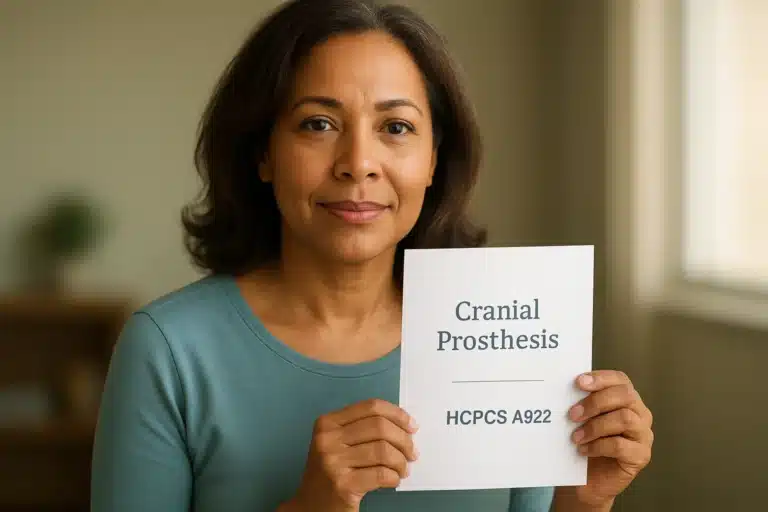
Many individuals in the invisible stage find immense relief in exploring high-quality alternative hair. When researching options, looking into the best human hair wigs can give you an idea of the natural, undetectable density that is possible today. If you are experiencing medical hair loss, your doctor may even prescribe a cranial prosthesis, which often qualifies for insurance coverage.
Remember, alternative hair is highly customizable. A skilled professional can help by thinning a wig to perfectly match your natural, pre-loss density, ensuring that your transition into wearing hair remains your secret to tell, or keep, as you choose.
Frequently Asked Questions (FAQ)
Why is my hair thinning?
Hair thinning can be triggered by a multitude of factors, including genetic predisposition (Androgenetic Alopecia), hormonal shifts (such as postpartum or menopause), nutritional deficiencies, thyroid issues, or severe stress. Identifying the root cause with a medical professional is the best first step.
What is the difference between thin vs. thinning hair?
“Thin hair” refers to the genetic diameter of your hair strands and the natural density of your follicles—it is a static hair type you are born with. “Thinning hair” is a progressive condition where hair follicles miniaturize over time, producing weaker hair, or shed at an accelerated rate, decreasing your overall volume.
Can hair thinning stress anxiety cause more hair loss?
Yes. Severe anxiety and chronic stress elevate cortisol levels in the body. High cortisol can push hair follicles prematurely out of their growing phase (anagen) and into their resting phase (telogen), leading to a delayed shedding condition known as Telogen Effluvium.
What is the difference between thinning hair vs. hair loss?
While often used interchangeably, “hair thinning” typically refers to the gradual miniaturization of the hair follicle and a slow reduction in overall density. “Hair loss” (or shedding) specifically refers to the active, physical detachment of the hair shaft from the follicle, often noticeable in hairbrushes and shower drains.
What are the main hair loss thinning causes?
The most common causes include DHT-driven miniaturization (genetics), stress-induced shedding (Telogen Effluvium), autoimmune responses (Alopecia Areata), harsh chemical styling, and systemic health issues like iron deficiency or thyroid imbalances.
***
Navigating early-stage, invisible hair loss is an incredibly vulnerable experience. By validating your own reality, arming yourself with scientific knowledge, and setting boundaries against emotional invalidation, you can step out of the shadows of anxiety. Whether your path involves medical treatment, holistic wellness, or exploring the beautiful, empowering world of alternative hair, remember that you are in the driver’s seat of your own identity.