Imagine walking along a breezy shoreline or stepping into a yoga studio. For many experiencing hair loss, these aren’t just pleasant activities—they are scenarios filled with a specific, silent anxiety: Will my hair stay in place?
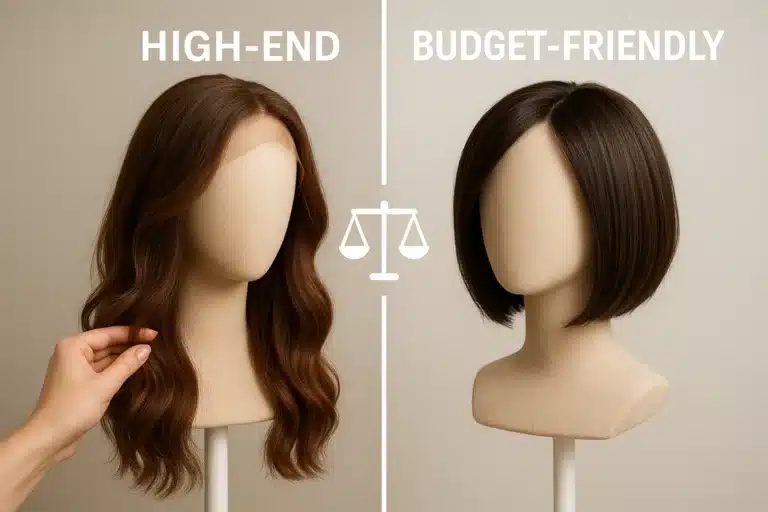
This fear is universal for newcomers to the world of wigs. While it is easy to fixate on hair fiber quality or color blends, the true engineering marvel of a premium wig lies in its “invisible architecture”—the interior cap construction. When you start exploring the vast wig price range options available, you quickly realize that two wigs looking identical on the outside can have vastly different price tags. Often, that difference is driven by advanced security features designed to replace anxiety with confidence.
The Invisible Architecture of Confidence
Most first-time buyers view a wig as a cosmetic accessory. However, industry experts view high-quality wigs as prosthetics that require precise engineering. The price difference between a standard cap and a premium “security-focused” cap often comes down to the materials and labor hidden underneath the hair.
Standard caps rely on simple tension—elastic straps that sit behind the ears. While effective for casual wear, they don’t offer the “lock-on” security required for active lifestyles or complete hair loss. This is where advanced grip systems come into play. These features transform a wig from something that sits on your head to something that moves with it.
Anatomy of Grip: What You Are Paying For
To understand the value of these systems, we have to move beyond the jargon and look at the materials. High-security wigs utilize three primary technologies, each adding a specific layer of cost and utility.
1. Silicone Grip Zones (The “Gripper” Tech)
This is the gold standard for those with total hair loss (alopecia universalis or totalis).
- The Feature: Strips or patches of transparent silicone are strategically placed at the front, nape, and ear tabs.
- The Function: Silicone has a natural, high-friction grip against human skin. As your body heat warms the silicone, it creates a gentle suction effect that prevents slipping without the need for sticky glues.
- The Cost Factor: Manufacturers cannot use standard industrial silicone, which can cause contact dermatitis. They must use medical-grade, hypoallergenic silicone. Furthermore, these strips cannot simply be glued in; they are often hand-stitched or heat-bonded into the cap foundation, significantly increasing manufacturing time.
2. Polyurethane (PU) Coated Tabs
- The Feature: A smooth, glass-like plastic surface usually found at the hairline or ear tabs.
- The Function: While PU offers some grip on its own, its primary purpose is to serve as a safe landing zone for adhesives. If you choose to use double-sided wig tape or liquid adhesive for extra security, applying it directly to lace or monofilament can tear the delicate fabric. PU tabs provide a durable surface that withstands the daily application and removal of tape.
- The Cost Factor: Integrating PU requires creating a hybrid cap design where durable plastic meets delicate lace seamlessly, requiring specialized craftsmanship to ensure the transition is invisible.
3. Velvet-Lined Ear Tabs and Napes
- The Feature: A soft, crushed velvet fabric lining the tension points of the wig.
- The Function: This is partly for comfort, but primarily for friction. The texture of the velvet catches against the skin or biological hair (if present), providing a subtle “brake” against slipping.
- The Cost Factor: While less expensive than silicone, adding velvet lining is a finishing step that distinguishes mid-range wigs from budget costume pieces.
The Manufacturing Cost: Why “Security” is Expensive
It is natural to wonder why a few strips of silicone or polyurethane can raise the price of a wig by $200 or more. The answer lies in the complexity of labor.
Creating a “security-first” cap is not an automated process. Integrating a grip system often involves 15 to 20 additional hours of labor compared to a standard machine-wefted cap. For example, in a high-end “gripper” wig, the silicone is not an add-on; it is part of the skeletal structure of the cap.
Workers must hand-tie hair fibers around these silicone zones to ensure the grip doesn’t compromise the natural look of the hair density. If the silicone is placed incorrectly by even a millimeter, the wig may gap at the ears or ride up at the nape. You are paying for the engineering precision that ensures the wig feels like a natural extension of your body.
Adhesive Economics: The Long-Term ROI
One of the most helpful “aha moments” for new wig wearers is understanding the difference between upfront cost and long-term value.
A cheaper wig often requires external security measures to feel safe. This means purchasing:
- Scalp protectors
- Liquid adhesives or bonds
- Solvent removers
- Double-sided tapes
Over the course of a year, the cost of these consumables adds up. Furthermore, the daily application and removal of harsh adhesives takes a toll on the wig’s delicate lace front, often shortening the lifespan of the piece.
In contrast, a wig with an integrated silicone grip system (often called a “suction” or “anti-slip” cap) typically requires no adhesive at all. While the upfront investment is higher, you save money on supplies and spare the wig from the wear-and-tear of glue removal. For many, the math reveals that the “expensive” secure wig actually costs less per wear over a 12-month period.
Matching Security to Lifestyle
Not everyone needs a medical-grade silicone vacuum seal. The goal is to match the security level to your activity level.
- The “Desk to Dinner” Wearer: If you work in an office and enjoy moderate activities, a standard cap with velvet tabs and adjustable straps is likely sufficient.
- The “Active Professional”: If you present on stage, deal with windy commutes, or have a busy schedule where adjusting your hair isn’t an option, a wig with PU tabs for optional tape usage offers a great balance.
- The “High-Intensity” Lifestyle: For those who swim, practice hot yoga, or run, investing in a fully integrated silicone grip cap provides the necessary mental freedom. The higher price point pays for the ability to live your life without restriction.
Frequently Asked Questions
Does medical-grade silicone cause skin irritation?
Generally, no. Medical-grade silicone is hypoallergenic and designed specifically for sensitive skin. However, because it creates a seal, it can trap heat. If you are prone to sweating heavily, you may want a cap that combines silicone strips with open wefting for airflow.
Can I use tape on a silicone wig?
It is not recommended. Tape does not stick well to silicone, and the chemical reaction can degrade the silicone over time. If you want the option to use tape, look for a cap with Polyurethane (PU) tabs instead.
How long does the grip last?
High-quality silicone is incredibly durable. As long as you keep it clean (oils from your skin can reduce tackiness over time), the grip should last the lifetime of the wig. Simply wiping the silicone with a damp cloth can restore its gripping power.
Is a “gripper” wig worth it if I still have some biological hair?
Silicone grips work best on bare skin. If you have significant biological hair, the silicone may slide against your hair rather than grip the scalp. In this case, clips or a velvet wig grip band might be a more cost-effective solution than an integrated silicone cap.
Taking the Next Step in Your Journey
Understanding the correlation between security features and price transforms the shopping experience. Instead of seeing a higher price tag, you can now see the specific engineering features designed to offer you freedom.
When you are ready to browse, look beyond the style and color. Examine the “Inside the Cap” photos or descriptions. Look for terms like “Anti-Slip,” “Silicone Lined,” or “Polyurethane Nape.” By investing in the right architecture for your lifestyle, you aren’t just buying hair—you are buying the peace of mind to forget you are wearing it.