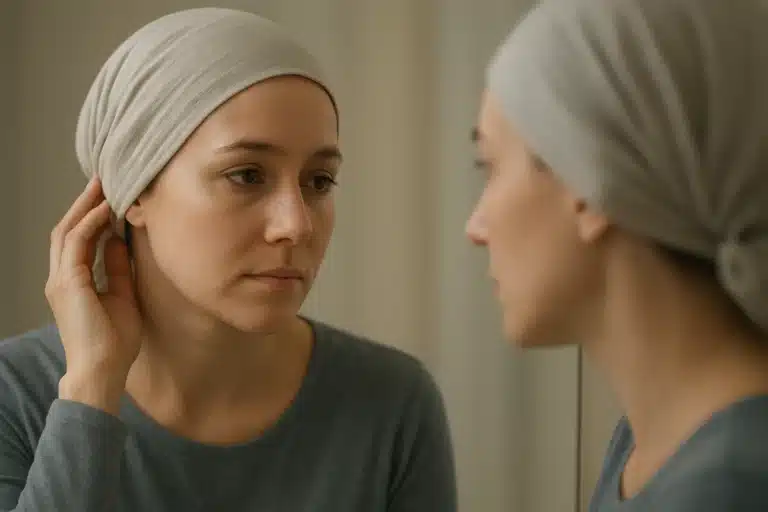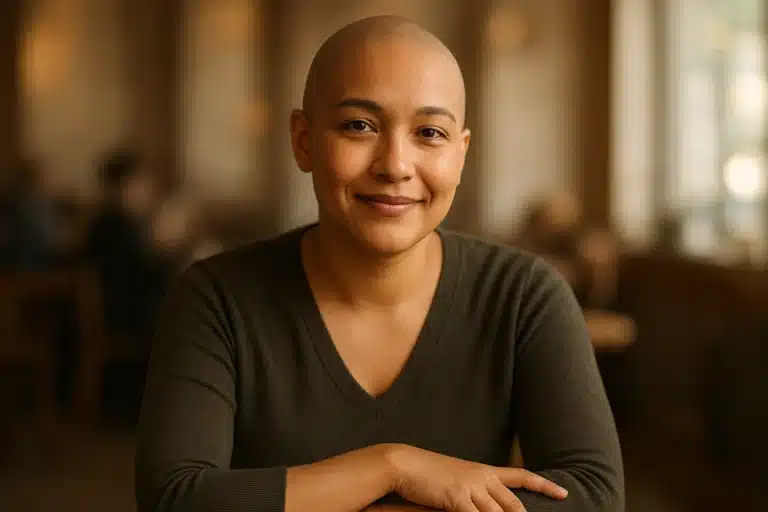
Navigating hair loss can often feel like walking into a crowded room where everyone else knows a secret language that you haven’t learned yet. It is a deeply personal experience that shifts your daily routine, your self-image, and your emotional bandwidth. Whether you are facing a medical diagnosis or a genetic change, finding the right support systems for wig wearers is often the first real step toward feeling like yourself again.
However, a quick search for “hair loss support” often yields a one-size-fits-all list of forums and organizations. This can be confusing because the journey of someone losing hair temporarily due to chemotherapy is fundamentally different from someone managing lifelong alopecia. Understanding where you fit on this spectrum—and knowing that it’s okay to need different things at different times—is key to finding a community that truly resonates with you.
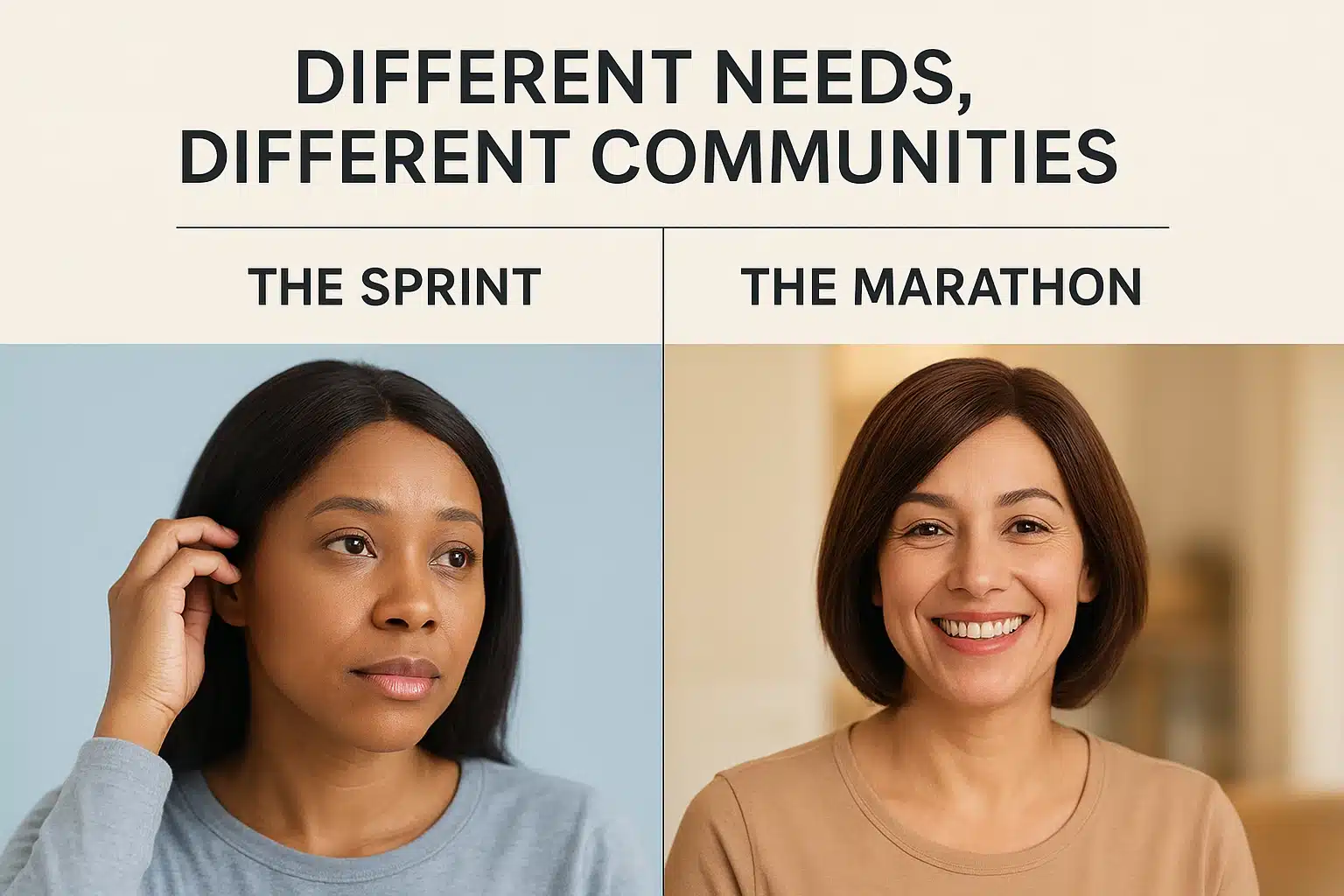
The Two Paths: The Sprint vs. The Marathon
To understand what kind of support you need, it helps to reframe the experience. While the physical result—wearing a wig—might look the same from the outside, the internal emotional landscape usually falls into one of two categories: the Sprint or the Marathon.
The Sprint: Temporary Hair Loss
For those undergoing chemotherapy or experiencing stress-related shedding (Telogen Effluvium), hair loss is often viewed as a temporary crisis. It is a hurdle to be cleared on the way back to “normal.” The mindset here is often focused on survival and recovery. You aren’t necessarily looking to build a new identity; you are looking for a bridge to get you through a difficult season.
The Marathon: Permanent Hair Loss
For individuals with Alopecia Areata, Totalis, or Androgenetic Alopecia, the journey is long-term. This path isn’t about waiting for hair to return; it is about radical acceptance and identity integration. The mindset shifts from “getting through it” to “living with it.” Here, a wig isn’t just a shield; it becomes a distinct part of your style and expression.
Support for the Temporary Journey
If you are in the “Sprint” phase, your support needs are often immediate and practical. You might feel out of place in a general hair loss group where members are discussing the long-term durability of a wig piece for years of wear, while you are counting down the days until your first post-treatment haircut.
What You Need From a Community
- Medical Solidarity: You need a space that understands the context of your hair loss, such as the fatigue of treatment or the anxiety of medical scans.
- Regrowth Management: Support focused on scalp sensitivity and the “awkward stages” of hair regrowth.
- Milestone Celebrations: A community that celebrates the “last treatment” or the “first fuzz” of returning hair.
Where to Look
- The Rapunzel Project: An incredible resource dedicated to helping chemotherapy patients keep their hair or navigate hair replacement options with dignity.
- Look Good Feel Better: A program specifically designed to help women manage the appearance-related side effects of cancer treatment. Their workshops provide a safe harbor to discuss wigs in the context of health recovery.
- General Cancer Support Communities: Organizations like CancerCare often host sub-groups specifically for hair loss, ensuring you are surrounded by people who understand the medical weight of your journey.
Support for the Permanent Journey
If you are on the “Marathon” path, your needs are less about medical recovery and more about lifestyle adaptation. You might find it emotionally draining to be in a group focused solely on regrowth when you are working hard to accept that yours may not come back.
What You Need From a Community
- Identity Validation: You need to hear from others who have successfully integrated hair loss into a vibrant, confident life.
- Lifestyle Hacks: Advice on dating with wigs, swimming, exercising, and explaining hair loss to children or colleagues.
- Long-Term Durability: Practical tips on wig maintenance for daily, year-round wear rather than temporary usage.
Where to Look
- National Alopecia Areata Foundation (NAAF): The authority on alopecia support. They offer a directory of support groups where the focus is on living well with the condition.
- Alopecia World: An online social networking site that connects people globally. It’s excellent for finding peer-to-peer advice on the day-to-day realities of permanent hair loss.
- Children’s Alopecia Project: If you are a parent or a young adult, this organization focuses specifically on building self-esteem and community for younger generations.
Common Ground: Breaking the Myths
Regardless of which path you are on, there is one question that unites almost every new wig wearer: “Will wearing a wig make my hair loss worse?”
This is a major source of anxiety that often prevents people from seeking the solutions they want. The answer, supported by trichology (the study of hair and scalp health), is a resounding no.
When worn correctly with a proper wig cap and hygiene routine, a wig acts as a protective barrier against environmental elements like sun and pollution. For temporary wearers, it protects the fragile new fuzz from friction. For permanent wearers, it protects the scalp. The fear that wigs suffocate the scalp is a myth; modern cap constructions are designed specifically for breathability and health.
Frequently Asked Questions
Can I join a cancer support group if I have Alopecia?
While the shared experience of hair loss is valid, it is generally better to find a group specific to your condition. The emotional weight of a life-threatening illness creates a specific dynamic in cancer support groups that may feel mismatched for someone with alopecia, just as an alopecia group’s focus on long-term acceptance might feel daunting to a temporary wearer.
How do I find local, in-person meetings?
The American Hair Loss Association and NAAF both maintain directories of local chapters. If you cannot find one in your city, many of these organizations have pivoted to virtual “Zoom” meetups, allowing you to connect with a tribe regardless of geography.
Is it okay to not want a support group?
Absolutely. Everyone processes hair loss differently. Some find comfort in community, while others prefer one-on-one mentorship or simply educating themselves through resources like this. There is no “right” way to navigate this journey.
Taking the Next Step
Whether you are looking for a temporary solution to bridge a gap or a permanent style to define a new chapter, remember that you are not the first to walk this path. By identifying the type of support that matches your specific timeline—the Sprint or the Marathon—you can save yourself emotional energy and find the resources that actually help.
The most important takeaway is that you have options. From the medical expertise of organizations like the American Hair Loss Association to the peer support of online forums, your tribe is out there. You just have to know where to look.