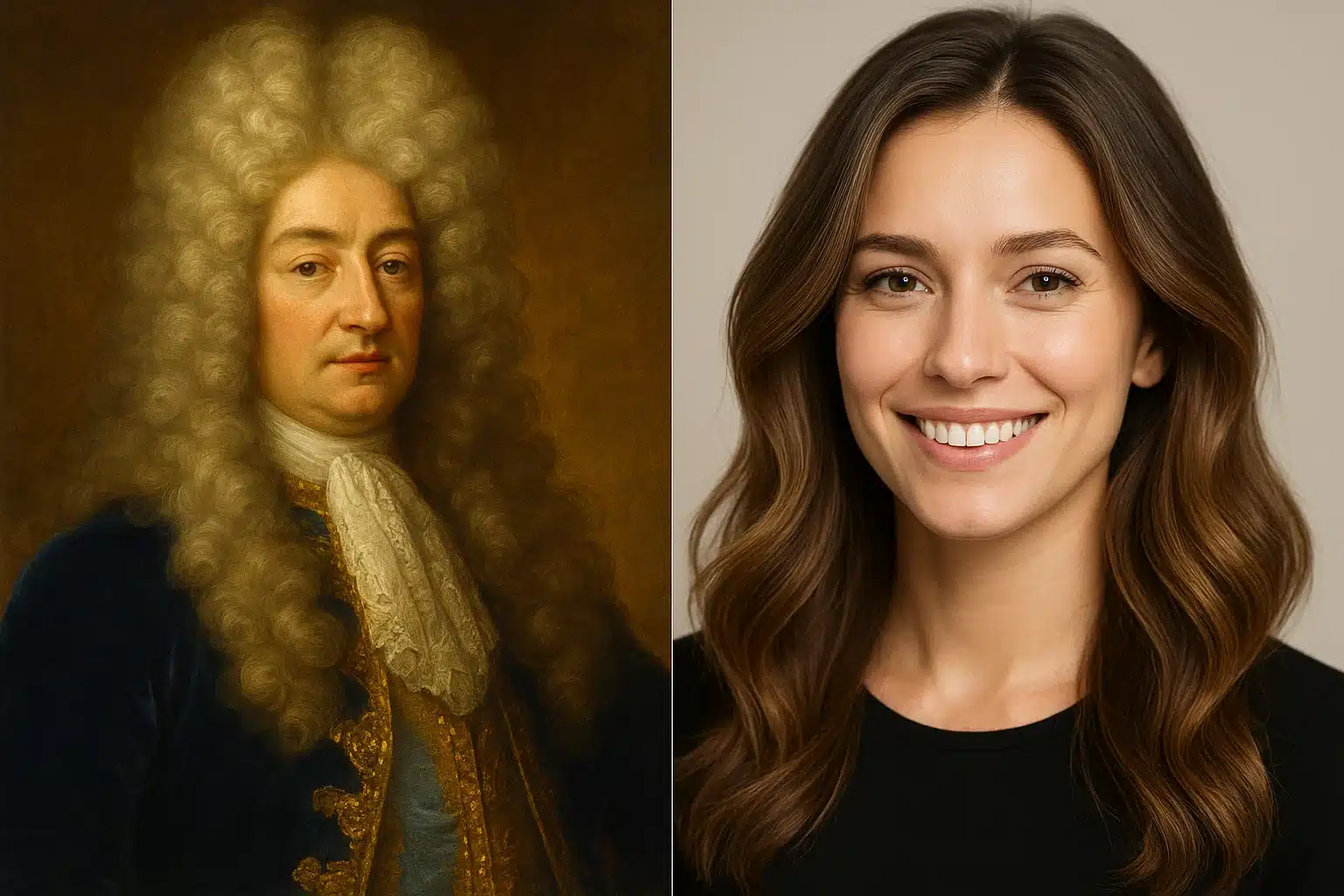
When you are in the process of selecting a wig, you aren’t just comparing cap constructions or fiber textures—you are stepping into a centuries-old tradition of self-expression, power, and transformation.
For many of our clients, the decision to wear a wig begins with necessity, often driven by hair loss. But as you navigate this journey, it is empowering to realize that the most influential figures in Western history used wigs not merely to conceal, but to command respect and define beauty standards.
Understanding the evolution of wigs—from the towering perukes of the French court to the discreet enhancements of the Victorian era—provides a critical framework for evaluating your own choices today. It validates that the desire for high-quality hair is not vanity; it is a timeless pursuit of confidence.
The Royal Catalyst: Turning Necessity into Nobility
History tells us that wig fashion was often born from the same vulnerability many experience today. In the 17th century, a full head of hair was the ultimate symbol of vitality and status. When French King Louis XIII began balding prematurely—likely due to illness—he didn’t retreat. He commissioned wigs to disguise his hair loss.
However, it was his son, Louis XIV (The Sun King), who transformed the wig from a medical necessity into an essential instrument of power.
The Economics of Extravagance
Louis XIV didn’t just wear wigs; he employed a staff of 48 wigmakers to curate his image. This obsession trickled down to the aristocracy, creating a market where a single wig could cost up to 800 shillings—roughly £8,000 ($10,000+) in today’s currency.
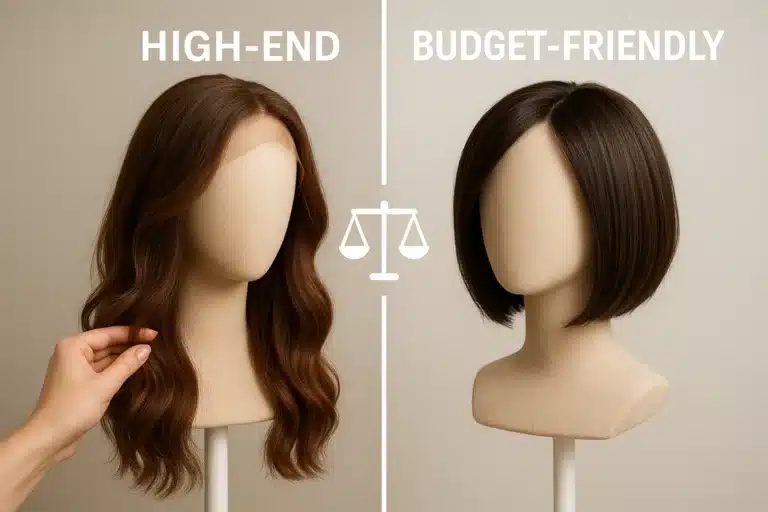
Why does this matter to your search today?It demonstrates that high-quality hair has always been an investment. While modern technology has made synthetic and human hair wigs more accessible, the principle remains: superior craftsmanship requires time, skill, and specialized materials. When you evaluate the price of a premium wig, you are paying for the modern equivalent of those 48 artisans—hand-tied caps and monofilament tops that offer realism the Sun King could only dream of.
The Art of Illusion: The 18th Century and Marie Antoinette
As we moved into the 18th century, the heavy, dark periwigs of the Baroque era gave way to the lighter, powdered styles of the Rococo period. This era introduced a concept that is vital for modern wig wearers to understand: Texture and Maintenance.
Wigs in this era were famously powdered with starch or flour, often scented with lavender or orange blossom to mask the odors of the time. This was the era of the “Pouf”—elaborate styles popularized by Marie Antoinette that could reach three feet in height.
Lessons in Longevity and Care
The sheer mechanics of these wigs offer a stark comparison to modern wig care.
- Then: Wigs were heavy, cemented with pomades, and rarely washed to preserve their structure, leading to hygiene issues.
- Now: We prioritize hygiene and longevity. Modern wig care products allow you to wash, condition, and protect your investment without compromising the style.
Queen Elizabeth I, across the channel, reportedly owned over 80 wigs, mostly dyed her signature fiery red. She understood what many of our clients discover: a wig allows you to maintain a consistent, idealized version of yourself, regardless of biological changes.
The Victorian Shift: Subtlety and the “Natural Look”
By the 19th century, the French Revolution had swept away the aristocracy and their towering powdered wigs. Fashion shifted toward the “natural”—but make no mistake, wigs remained. They simply went undercover.
This era mirrors the current “Middle-of-the-Funnel” evaluation criteria for most women today. The goal shifted from “Look at my wig” to “Is that her real hair?”
The Rise of “Invisible” Enhancements
Victorian women frequently used “fronts” (the precursor to modern toppers) and additional hairpieces to create the illusion of fullness. This historical pivot validates the modern preference for lace front wigs and monofilament tops, which are designed specifically to mimic natural hair growth.
Craftsmanship Comparison: How to Evaluate Quality
When you are comparing options on our site, you are looking for the intersection of comfort and realism. History gives us the ultimate benchmark for how far we have come.
| Feature | 18th Century Court Wig | Modern Premium Wig |
|---|---|---|
| Weight | Heavy (Up to several pounds) | Lightweight (Often 2-5 ounces) |
| Material | Human hair mixed with horsehair/wool | Premium Synthetic or 100% Human Hair |
| Ventilation | None (Hot and heavy) | Open wefting & breathable monofilament |
| Security | Pins and pomade | Adjustable straps & secure grip technology |
Expert Insight: The “itch factor” associated with wigs is largely a historical relic. Today’s cap constructions are designed for sensitive scalps, particularly for those experiencing hair loss due to medical reasons.
Contemporary Royalty: Myths vs. Reality
It is common to look at modern figures like Princess Kate or the late Queen Elizabeth II and wonder about their hair secrets. Speculation often swirls regarding their use of hairpieces.
While the internet is rife with rumors about “royal wigs,” the reality is often a mix of expert styling and subtle enhancements. Unlike the obvious wigs of the 17th century, modern royals—and modern women—utilize hair additions to maintain volume and consistency under scrutiny.
This aligns with our philosophy: the best wig is the one that makes people compliment your hair, not your hairpiece.
Frequently Asked Questions
As you evaluate the right solution for your needs, these common questions bridge the gap between historical context and your daily reality.
1. Will wearing a wig feel heavy, like the historical ones?
Absolutely not. The “heavy wig” is a myth from the days of horsehair and starch. Modern high-quality wigs are engineered to be featherlight. Many of our clients forget they are wearing them after a few minutes.
2. How do I achieve a natural look without a “royal” budget?
Louis XIV spent the equivalent of £8,000 on a wig, but you don’t have to. We offer a range of synthetic wigs that capture the visual fidelity of human hair at a fraction of the cost. The key is looking for features like a lace front, which creates a natural hairline.
3. Is it complicated to maintain a wig?
It is far easier than the 18th-century routine of powdering and pomade. With a simple routine using the correct care products, you can maintain your wig’s beauty from home. We provide the education you need to protect your investment.
The Verdict: Your Personal Reign
The history of wigs in European nobility teaches us one undeniable truth: hair has always been a tool for confidence. Whether it was Louis XIV projecting strength or Victorian women enhancing their natural beauty, wigs have served as a shield and a crown.
You are not just “buying a wig.” You are selecting a high-performance prosthetic that restores your image. We invite you to explore our collection, where nearly 20 years of industry expertise ensures that you don’t just wear a wig—you own your look.
Explore our collection of high-quality wigs today and find the style that helps you rule your world.