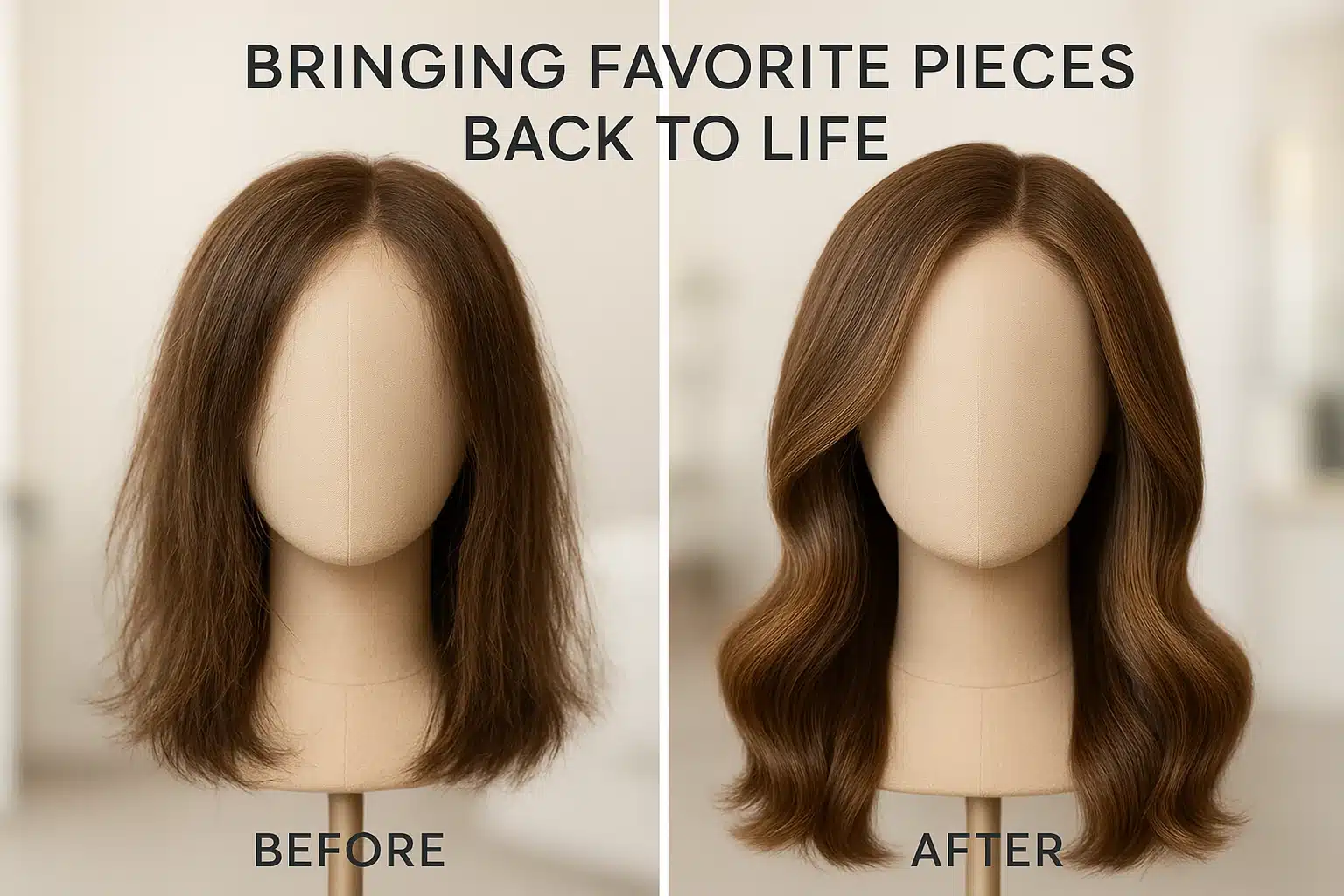
We’ve all been there. You pull your absolute favorite piece out of the box, only to find the ends feel inexplicably crunchy, the lace is beginning to fray, and it has completely lost that effortless bounce that made you fall in love with it in the first place. It’s a heartbreaking moment, especially when that piece has been your daily armor. But before you resign it to the back of your closet or hastily purchase a replacement, take a deep breath. In many cases, your wig isn’t at the end of its life—it just needs professional rejuvenation.
Knowing the difference between a wig that is beyond saving and one that simply needs a spa day is the secret to extending the lifespan of your investment. To get started on the right foot, many locals turn to a reputable Nashville wig store to find experts capable of handling delicate lace and intricate human hair fibers. Let’s pull back the curtain on professional restoration and explore how to bring your favorite pieces back to life.
The Investment Mindset: Why Professional Rejuvenation Makes Sense
The Nashville wig market is beautifully unique. It is essentially split down the middle: on one side, you have high-end theatrical and celebrity styling driven by Music City’s entertainment industry; on the other, you have a deeply compassionate network dedicated to medical-grade prosthetics for those experiencing hair loss.
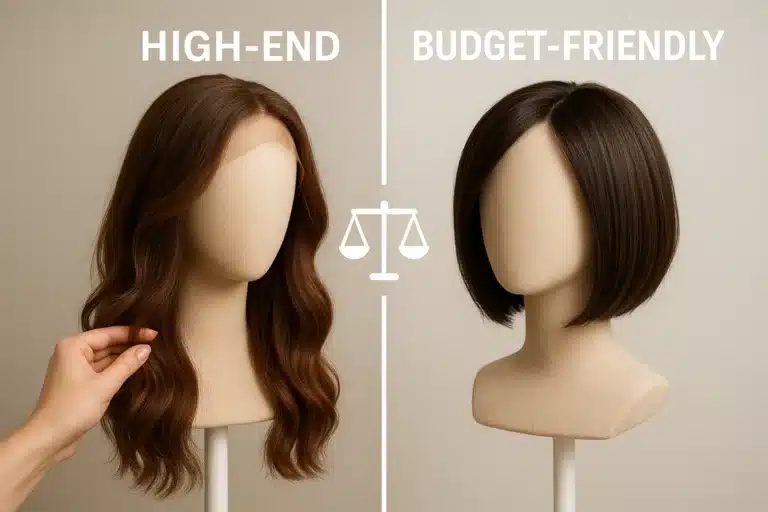
Regardless of which side of the market you fall on, a high-quality wig is an investment. Just like a luxury vehicle or a designer coat, it requires routine maintenance to perform at its best. Opting for a professional, cost-effective wig refresh is often much more sustainable—both financially and environmentally—than constantly replacing your pieces the moment they show signs of wear.
The Wig Longevity Audit: Grade Your Piece
How do you know when it’s time to call in the professionals? It helps to think of your wig’s condition on a scale from 1 to 10. By performing a quick “Longevity Audit” at home, you can diagnose issues before they become irreversible.
The “Aha” Checklist for Wig Damage
- Grade 1-3 (Healthy): The hair moves freely, the lace is intact, and the cap fits snugly. Stick to your normal routine!
- Grade 4-7 (Warning Signs): You might notice “crunchy” ends that tangle easily, minor shedding around the part line, or slight stretching in the cap. It’s time for a deep conditioning treatment or a professional steam.
- Grade 8-10 (Critical Condition): You are experiencing severe lace shedding, visible bald spots, or a cap that simply will not stay put. This requires professional intervention.
Pro Tip: The 4-Finger RuleUnsure if your cap has stretched? Use the 4-Finger Rule. Place four fingers horizontally above your brow bone. This is generally where a natural, properly fitting wig hairline should sit. If your wig consistently slides back past this zone throughout the day, the cap has likely lost its elasticity and needs professional resizing.
Demystifying the Restoration Spectrum
Wig rejuvenation isn’t magic; it’s a blend of science, artistry, and incredible attention to detail. Understanding what actually happens during professional wig repair can help you make better decisions for your pieces.
Fiber Science: Heat vs. Moisture
One of the most common mistakes beginners make is treating all hair the same.
- Human Hair Revival: Human hair wigs lack the natural oils produced by a scalp. Over time, they dry out. Professional revival focuses heavily on moisture restoration, using specialized deep-conditioning masks and cuticle-sealing treatments.
- Synthetic Re-steaming: Synthetic fibers are essentially micro-fine plastics. No amount of moisturizing conditioner will fix a frizzy synthetic wig. Instead, professionals use precise, controlled steam to relax the plastic polymers, smoothing the fibers back into their original shape.
The “Conditioning Trap”
Why is your wig shedding? It might be your wash day routine. Beginners frequently fall into “The Conditioning Trap” by applying heavy conditioners directly to the cap and the roots of the wig. This inadvertently lubricates the tiny knots holding the hair to the lace, causing them to loosen and slip out over time. Always apply conditioner from the mid-shaft down to the ends!
What is Re-ventilation?
If you’ve ever noticed thinning spots on your lace front, you might have assumed the wig was ruined. Enter re-ventilation. This is an artisan process where a professional uses a tiny, hook-like needle to hand-tie individual new hairs back into the existing lace cap.
If you were to look at a wig under a macro-photography lens, you would see thousands of tiny knots. Over time, tight knots become loose knots due to brushing, washing, and friction. Re-ventilation replaces those lost hairs, dramatically extending the life of premium pieces.
The Great Shampoo Debate: Dawn vs. Professional Formulas
You may have heard a rumor that dish soap is a great hack for cleaning wigs. Let’s look at the science: dish soaps are highly alkaline, formulated to strip stubborn grease. While this might effectively remove heavy product buildup, the high pH severely disrupts the cuticle of human hair and degrades the integrity of hand-tied knots.
Just as curators use specialized methods when preserving ancient wigs in museums, modern wig wearers must prioritize pH balance. It is always safer to invest in the best wig care products specifically formulated for the exact fiber of your piece.
The Nashville Expert Shortlist: Where to Go for What
When you’ve hit the limits of DIY care, Nashville boasts a vibrant community of specialists ready to step in.
- For High-Fashion & Artisan Repair: Christopher Does Hair is a renowned local authority for hand-tied pieces and complex re-ventilation. Beyond his technical skill, Christopher is also recognized for his contributions to the community, including his work with the Root 66 non-profit.
- For Medical Needs & Compassionate Care: Pretty in Pink Boutique shines when it comes to supporting women through the emotional journey of medical hair loss. They excel at initial fittings, synthetic maintenance, and providing a highly sensitive, private environment.
- For Consistent System Maintenance: Ultimate Hair Nashville is a fantastic resource for wearers who need routine, scheduled maintenance for bonded hair systems.
Local Secret: If you ever hear Nashville stylists whispering about “The Library,” they aren’t talking about books or a local speakeasy. In local hair circles, “The Library” refers to highly curated, private collections of reference styles and color swatches that elite professionals use to perfectly color-match and restore custom pieces!
DIY Safety Zones: When to Treat at Home
While it’s important to know when to call a pro, there is plenty you can safely do at home to maintain your piece. Think of it like rigorous on-set wig maintenance—consistency is key.
Green Light (Safe to do at home):
- Washing with specialized, pH-balanced wig shampoo.
- Air-drying your wig on a proper stand to maintain cap shape.
- Using wide-tooth combs and starting from the ends, working your way up.
Red Light (Leave to the professionals):
- Home Lace Patching: Trying to sew or glue torn delicate lace at home almost always results in a bulky, visible seam that ruins the natural hairline.
- Chemical Alterations: Bleaching knots or dyeing human hair wigs requires professional color theory knowledge. Wigs process color very differently than biological hair.
- Heat Styling Regular Synthetics: Unless your piece is explicitly labeled “heat-friendly,” keep the curling iron far away. When it comes to everyday wig styling, sticking to manufacturer guidelines is non-negotiable.
Frequently Asked Questions (FAQ)
Is synthetic wig repair worth the cost?
It depends on the initial investment. For a $50 costume wig, replacement is more economical. However, for a premium medical-grade synthetic piece costing hundreds of dollars, a professional re-steaming and trim (usually a fraction of the cost of a new piece) is highly worthwhile.
How much does professional wig repair usually cost in Nashville?
Prices vary based on the extent of the damage and the fiber type. Basic cleaning and steaming typically start at a lower tier, while extensive re-ventilation is priced by the hour due to the meticulous labor involved. Understanding common wig repair costs before you book a consultation can help you decide whether to repair or replace.
Can a badly matted human hair wig be saved?
Often, yes! What looks like an unsalvageable bird’s nest to a beginner is just another Tuesday for a professional. Through a combination of deep-penetrating silicones, gentle detangling techniques, and professional trimming, experts can frequently bring heavily matted pieces back from the brink.
Next Steps in Your Wig Care Journey
Your wig does a lot of heavy lifting to keep you feeling confident and beautiful. By understanding the basics of fiber science, knowing how to audit your wig’s health, and leaning on Nashville’s incredible local experts, you can ensure your favorite pieces stay gorgeous for years to come.
Take a moment today to pull out your most-worn piece. Does it pass the 4-Finger Rule? Are the ends starting to feel a little too textured? Catching these signs early is the first step in mastering your personal wig care journey.